At Teaching Times Training, we have always believed that the key to unlocking academic potential lies in fostering emotional wellbeing. Our recent project with Belmont Castle Academy stands as a testament to how strategic interventions aimed at enhancing the mental health and emotional resilience of both students and teachers can lead to remarkable improvements in overall school performance.
Understanding the Needs: A Comprehensive Analysis
When Belmont Castle Academy approached us, they were already aware of the significant impact that emotional wellbeing has on academic achievement. However, they needed expert guidance to develop a clear, actionable strategy that would elevate their existing provisions. Our journey began with a thorough needs analysis, focusing on the unique challenges faced by their community. This was not a mere surface-level audit; it was an in-depth examination designed to uncover deep-seated issues.
By meticulously assessing the emotional climate within classrooms and staff rooms, we gained valuable insights into the behaviours exhibited by students and teachers alike. We identified critical areas where improvements could be made to foster a more supportive and nurturing environment.
The Emotional Core: Building Resilience
One of our primary goals was to strengthen the emotional core of both students and staff members. Emotional resilience is crucial for coping with stress, managing adversity, and maintaining focus on academic pursuits. Through tailored workshops and developmental tools, we equipped Belmont Castle Academy’s community with strategies to enhance their emotional intelligence.
These sessions were designed by five top national coaches including Marius Frank, Louise McGinty, Nic Ponsford, John Drew, and Bob Basley. Their expertise ensured that our approach was holistic, addressing both cognitive and behavioural aspects of wellbeing.
Making Sense of Behaviour: Insights into Actions
To create long-lasting change, it was imperative for us to delve deeper into understanding behavioural patterns. We provided Belmont Castle Academy with tools that enabled them to interpret behaviours not just as isolated incidents but as manifestations of underlying emotional states. This new perspective allowed for more empathetic responses and more effective behaviour management strategies.
By applying the latest neuroscience research on learning and behaviour, we helped staff understand how factors such as poverty or adverse social circumstances impact cognitive functions. This knowledge empowered them to create teaching environments tailored to meet the diverse needs of all learners.
Cultural Transformation: Tools for Development
Changing an institution’s culture is no small feat; it requires dedicated effort and strategic planning. At Belmont Castle Academy, we introduced developmental tools aimed at creating a trauma-informed culture driven by positive relationships. This shift was essential in establishing a safe space where students felt valued and understood.
Our programme also reviewed the school’s policies on behaviour management and inclusion practices. By re-examining these areas through a trauma-informed lens, we facilitated changes that promoted inclusivity and reduced disruptive behaviours.
Accelerating Progress with Assistive Technologies
In today’s digital age, technology plays a pivotal role in supporting diverse learners. We integrated advanced assistive technologies into Belmont Castle Academy’s teaching practices. These tools were particularly beneficial for neurodiverse students who required additional support beyond traditional methods.
The deployment of these technologies removed barriers caused by physical or cognitive conditions, allowing students to engage more effectively with their learning material. This approach not only accelerated academic progress but also boosted self-esteem and confidence among students who previously struggled.

Sustained Impact: The Road Ahead
Our collaboration with Belmont Castle Academy spanned under three months but its impact will be felt for years to come. The implementation of our comprehensive strategies has set them on a path toward sustained improvement in both academic performance and overall wellbeing.
Assistant Head Ashley F., who also serves as the Wellbeing Lead at Belmont Castle Academy, expressed his enthusiasm about the project’s outcomes:
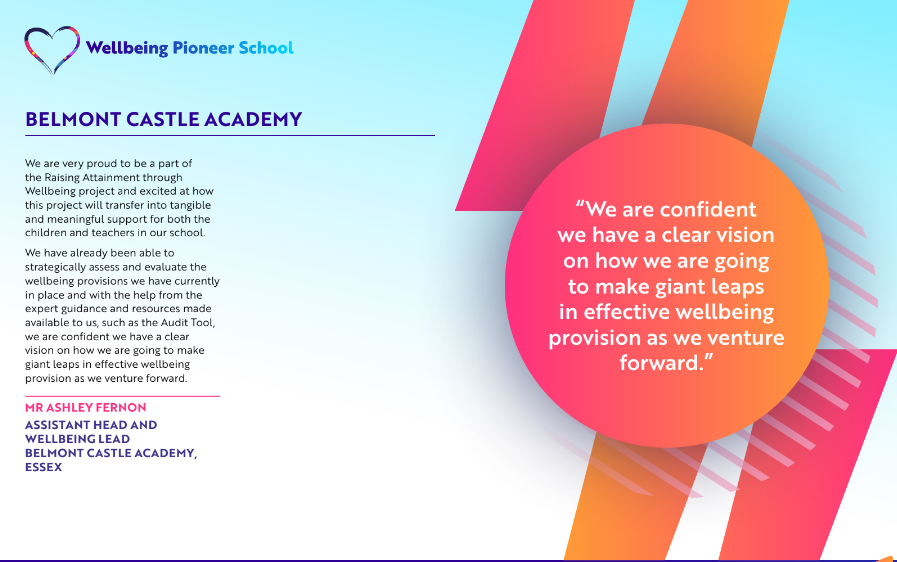
“We are very proud to be a part of the Raising Attainment through Wellbeing project. With expert guidance from Teaching Times Training, we now have a clear vision on how we are going to make giant leaps in effective wellbeing provision as we venture forward.”
Key Benefits Realized
- Applicability: The programme provided resources tailored to meet Ofsted and Estyn inspection focus areas.
- Wellbeing: Enhanced emotional resilience among students and staff led to higher levels of engagement.
- Support: Access to specialist coaches offered bespoke guidance for continuous improvement.

The Unique Edge: Trauma-Informed Practices
What sets this project apart is its emphasis on creating trauma-informed practices within the school environment. Understanding that an anxious or distressed mind cannot learn effectively led us to prioritize mental health as much as academic instruction. By fostering an inclusive atmosphere where every student feels safe and supported, we laid down a foundation for lifelong learning and personal growth.
The Ripple Effect: Beyond Immediate Results
The benefits of our programme extend beyond immediate improvements in test scores or classroom behaviour. By building social-emotional skills alongside academic competencies, we are helping shape well-rounded individuals who are better equipped to handle life’s challenges both inside and outside school walls.
This holistic approach ensures that children from various backgrounds—including those receiving SEN support or coming from vulnerable households—receive the attention they need without feeling marginalized or overlooked.
Driving Forward: Continuous Support & Engagement
While our initial engagement was time-bound, our relationship with Belmont Castle Academy continues through ongoing support mechanisms such as webinars targeted at specific staff groups or commissioned packages tailored towards extensive bespoke support driving change management initiatives over longer periods if needed be!
We remain committed not only improving educational outcomes but also ensuring lasting positive transformations within communities served by institutions like Belmonth Castel Acadamy
If you’re looking elevate your school’s performance through strategic interventions focused around enhancing emotional well-being then look no further than Teachin’ Times Trainin’! Let us help unlock full potential hidden within your institution today – together achieve greatness tomorrow!
For more information about how we can assist your school please visit [our website](https://www.teachingtimestraining.com) or contact us directly via phone +44 121 224 7599!