

Embracing Change in Education: Lessons from a Crisis
The pandemic has swept the globe, leaving no sector untouched, and the field of education is no exception. As we sift through the aftermath, it becomes abundantly clear that only through substantial challenges do we garner the opportunity to institute real, lasting change. The reflections of Headteacher Shonogh Pilgrim on the lockdown experience bring to light the potential for transformative shifts in our approach to education.
The Catalyst for Change
Roman Krznaric's book, The Good Ancestor: How to think long term in a short-term world, serves as a poignant reminder of our responsibility to future generations. It was during an online event hosted by the RSA that Headteacher Pilgrim encountered Milton Friedman's profound adage: "Only a crisis, actual or perceived produces real change…" This sentiment resonated deeply with her as she navigated leading an educational institution through unprecedented times.
Opportunities Amidst Chaos
The lockdown period was more than just an unforeseen disruption; it was a crucible within which innovative ideas could be tested and applied. Educators were compelled to explore alternative approaches and adapt quickly to ensure that learning continued.
- Students found new avenues for engagement.
- Parents and educators witnessed firsthand the benefits of community.
- The traditional educational model was challenged and reimagined.
These discoveries have sparked a desire to maintain some of these positive changes and integrate them into the fabric of our 'new normal'.
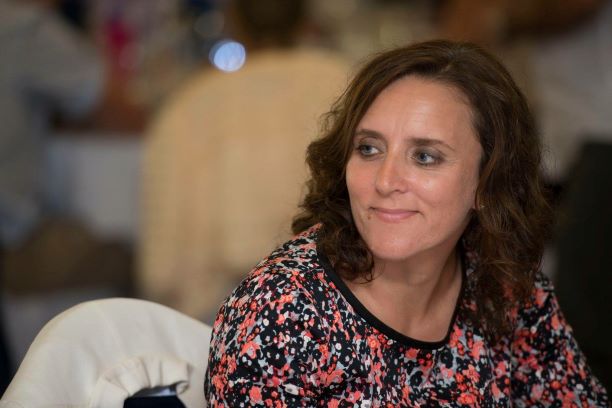 Inspired by events like these, educators are exploring forward-thinking changes in teaching methods. – Photo by Laura Ward
Leveraging Lockdown Learnings
Lockdown tore down barriers, revealing a more intimate community among students, staff, and parents. The quietude brought forth by confinement amplified voices of compassion and care that are often drowned out by life's ceaseless din.
A New Educational Paradigm
Schools saw students thriving outside traditional classrooms, utilizing technology to engage with materials and teachers in innovative ways. They embraced:
- The flexibility offered by remote learning environments.
- An enhanced capacity for independent learning and personal growth.
- Newfound rhythms that balanced academic endeavors with personal pursuits.
This era of discovery illuminated paths less traveled within education—a testament to human adaptability and resilience.
Reflections on Return
As students returned to school buildings, there was a palpable mix of excitement and nostalgia for the recent past. While many welcomed back familiar structures, others yearned for the autonomy they had briefly tasted during lockdown.
Finding Balance Post-Lockdown
Pilgrim's observations indicate a generational shift towards flexibility in learning preferences mirroring trends within the professional sphere. This poses questions about aligning educational rights with individual learning desires—challenges that leaders like herself are striving to address creatively within systemic constraints.
Navigating Forward for Future Generations
The post-pandemic landscape presents an opportunity for educational leaders to reflect on what worked well during lockdown and how those practices might be integrated into standard operations going forward. This calls for:
- Critical examination of pre-lockdown norms.
- A commitment to continuous innovation in pedagogical methods.
- A willingness among stakeholders to embrace change for improved outcomes.
The Quest for Sustainable Change
If lockdown has taught us anything, it is that adaptability is key—not only as a temporary response but as an ongoing mindset towards education. The crisis has shed light on alternative policies lying dormant which now have the potential to transform our approach permanently if we choose to let them take root beyond this momentary upheaval. Pilgrim advocates for this transformational journey not as merely her own crusade but as a collective venture—one where educators unite under the banner of progressive change. Are you ready to join this movement? To explore these ideas further or request more information about this topic, please reach out at +44 121 224 7599 or visit us at Teaching Times Training on Pershore Street. Together, we can redefine what it means to educate—and emerge stronger on the other side of any crisis.
